London Housing Crisis: Why Rent Caps Will Make Things Worse
TL;DR: The London housing crisis is real, but rent caps would make it far worse. A Hackney deputy mayor has suggested capping rents at £600 a month for a two-bed flat. Yet the real landlord costs on that property run to £1,700 a month or more once you factor in a buy-to-let mortgage, insurance, fees and tax. Cap rents below cost and landlords sell, supply in the UK rental market shrinks, and rents rise for everyone. Here is what is really going on and what would actually help.
Table of Contents
- The London Housing Crisis Is Real, But the Fix Is Not Simple
- The Real Cost of Owning a Rental Property
- Section 24: Why Many Landlords Already Lose Money
- What Rent Caps Do to the UK Rental Market
- Selective Licensing: A Hidden Tax on Landlords
- Does a 20-Year-Old Really Need a Two-Bed Flat?
- The Real Problem Is Financial Education
- So What Actually Solves the London Housing Crisis?
- Frequently Asked Questions
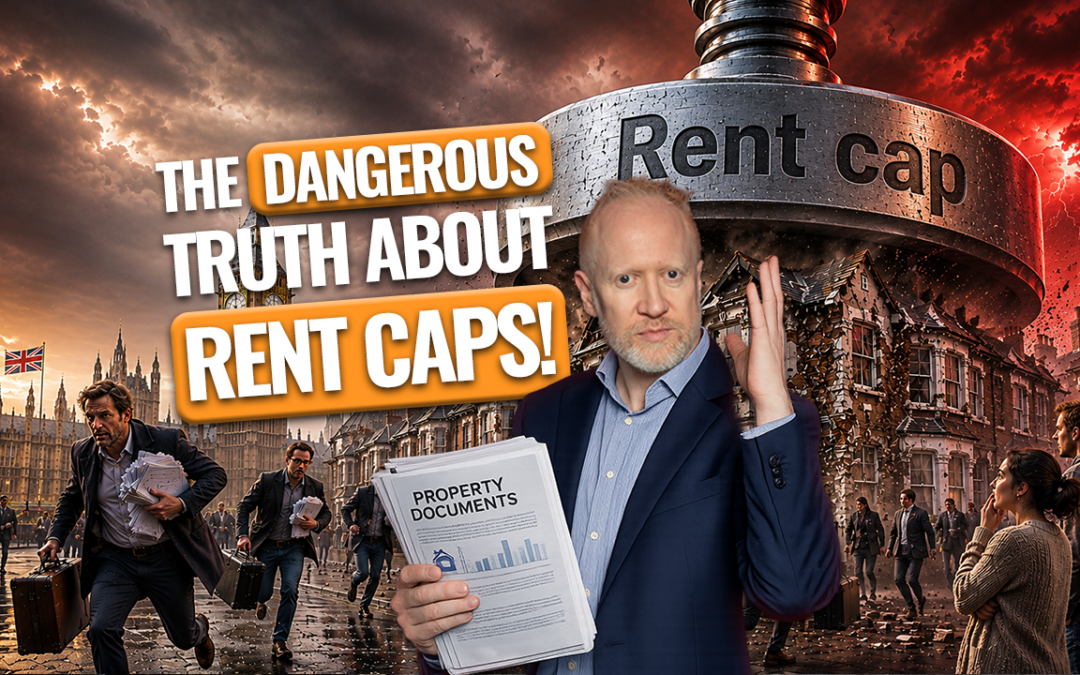
The London housing crisis is back in the headlines. A 20-year-old deputy mayor in Hackney, Dylan Law, has suggested that landlords should accept just £600 a month for a two-bed flat. Rent caps like this sound appealing when people are struggling. But they ignore the real landlord costs behind every rented home, and they misunderstand how the UK rental market actually works. In this post, Simon Zutshi breaks down the true cost of a buy-to-let mortgage, explains why rent control tends to backfire, and looks at what would genuinely ease the housing shortage in London.
The London Housing Crisis Is Real, But the Fix Is Not Simple
Let us be clear from the start. There is a genuine London rental crisis. Many people spend far too much of their income on rent, and that is not a situation anyone wants to see continue. The frustration behind the rent cap idea is completely understandable.
What Rents Actually Look Like in Hackney
A quick look at Rightmove shows the reality. Two-bed flats in Hackney currently list at roughly £2,000 to £2,600 a month. Some go a good deal higher. For a single person on a modest wage, that is hard. So the anger is valid. The proposed solution is not. Capping rents at £600 would not make housing affordable. It would simply make providing that housing impossible. To see why, you have to look honestly at landlord costs, because those costs do not vanish just because a politician wishes they would.
Key takeaway: The London housing crisis is real and rents in areas like Hackney are genuinely high. But a £600 rent cap does not solve the problem. It removes the homes people need.
The Real Cost of Owning a Rental Property
Let us run the actual numbers on that two-bed flat in Hackney. Take a property valued at £300,000. That sits below the London average, but it makes a fair example. An investor would normally put down a 25% deposit of £75,000, plus stamp duty and legal fees on top. The remaining £225,000 comes from a buy-to-let mortgage.
Adding Up the Monthly Numbers
A BTL mortgage rate today sits at around 6% a year. Investors almost always use interest-only finance. On £225,000 that works out at £1,125 a month in interest alone. That figure is nearly double the £600 rent Dylan Law thinks a landlord should accept. And the mortgage is only the first of the property running costs. Here is what else a landlord pays every month:
- Mortgage interest of around £1,125 a month on the buy-to-let finance
- Landlord insurance of roughly £50 a month for buildings, contents and public liability
- Letting agent fees of about £240 a month, charged at 10% plus VAT on a £2,000 rent
- Selective licensing of around £10 to £20 a month in areas like Hackney
- Maintenance and repairs, realistically a couple of hundred pounds a month once averaged out
Add all of this together and the cost of owning a rental property reaches £1,700 to £1,800 a month. On a £2,000 rent the margin is thin. On £600, the cost of being a landlord turns into a guaranteed monthly loss of over £1,000.
Key takeaway: The real landlord costs on a typical £300,000 flat run to £1,700 a month or more. A £600 rent would lose the owner over £1,000 every month.
Section 24: Why Many Landlords Already Lose Money
The picture is harder still. In 2015 the Conservative government introduced Section 24, which took effect in April 2017. The rule changed how landlords are taxed. If you own property in your own name and hold a buy-to-let mortgage, you can no longer offset your full mortgage interest against rental income as a business expense.
Taxed on Turnover, Not Profit
This creates an absurd outcome. Many landlords now pay tax on turnover rather than profit. Property letting is the only business in the UK, as far as anyone can tell, that is taxed this way. A landlord can look profitable on paper and still lose money once the tax bill lands. This is one of the main reasons landlords keep selling up, which is exactly what tightens the private rented sector. It is also why so many investors now buy through a limited company structure, which Section 24 does not affect in the same way.
Key takeaway: Section 24 means many landlords are taxed on income they never actually keep. That tax burden is a major reason homes are leaving the UK rental market.
Want to Invest in a Tax-Efficient Way?
Simon Zutshi's book Property Magic covers the fundamentals of smart, tax-efficient property investing, including how to structure your portfolio around rules like Section 24. Download your copy and start investing with knowledge.
What Rent Caps Do to the UK Rental Market
Rent caps and heavy taxation share one fatal flaw. When you make it unviable to let a property, landlords sell. When landlords sell, the supply of rental homes falls. When supply falls and demand holds steady or rises, rents go up. This is not politics. It is simple supply and demand.
Who Really Pays for Rent Control
A shrinking UK rental sector pushes more people onto council housing waiting lists. It increases homelessness. It forces local authorities to spend more on emergency accommodation, paid for by the very taxpayers the policy was meant to protect. Rent control does not remove the cost of housing. It just moves that cost onto the state, and onto everyone.
Key takeaway: Capping rents below cost shrinks the supply of homes. Fewer rentals mean higher rents and a bigger bill for taxpayers, the opposite of what rent caps promise.
Selective Licensing: A Hidden Tax on Landlords
Hackney's own licensing scheme shows the same pattern. The council rolled out selective licensing across 17 of its 21 wards on 1 May 2025. In theory the scheme checks that a landlord holds a valid gas safety certificate, an EPC and the other paperwork they need. That sounds sensible.
Revenue Raising, Not Safety
In practice, the scheme is set to raise around £30 million over five years, with about £1 million collected during the trial alone. The Renters' Rights Act, also live from 1 May 2025, already requires a national landlord database carrying the same information. Selective licensing is becoming redundant as a safety tool. It now works mainly as a way to raise funds, and those funds are recovered through higher rents. The licensing fee itself is small, but the real money comes from fining landlords who do not have a licence in place.
Key takeaway: Selective licensing now functions as a revenue grab rather than a safety check. Like every other cost, it ends up passed on to tenants through higher rents.
Does a 20-Year-Old Really Need a Two-Bed Flat?
There is another part of this debate that rarely gets aired honestly. Dylan Law objects to paying £2,600 for a two-bed flat. Fair enough. But the real question is whether a 20-year-old should expect to rent a two-bed flat on their own in one of the most expensive cities on earth.
The Case for Shared Housing
Shared housing tells a different story. A well-run HMO, the kind many responsible landlords provide, offers a room in London for under £1,000 a month including bills. That is a world away from a standalone two-bed flat. Plenty of people live in shared homes for years. It is not a failure. It is a smart financial choice that builds savings and lets you enjoy city life at a price you can manage.
Experienced HMO landlords see this every day. Tenants often value the company of housemates as much as the lower rent. Moving to a new city for a job and living alongside others is genuinely good for a lot of people. Treating every shared home as hardship misses that point entirely.
Key takeaway: Affordable housing already exists in the form of shared homes and HMOs. The expectation of a private two-bed flat at 20 is the real mismatch, not the rent.
The Real Problem Is Financial Education
None of this is a personal attack on Dylan Law. His achievement at 20 is remarkable. Social media lets young voices reach real influence faster than ever, and that is a feature of modern democracy. But his stance on rent caps points to a far bigger failure in how we educate people about money.
Why Profit Is Not the Enemy
Schools do not teach financial literacy. Young people leave education able to analyse a novel or a historical event. Yet almost none understand how buy-to-let finance works, why a business has to make a profit to survive, or how tax policy shapes the way people invest. When someone says housing is a basic right and so landlords should not profit, the same logic stretches to food, clothing and transport. If profit itself is the villain, then every shop, factory and restaurant becomes suspect. Why would anyone take on the risk of running a business if profit were off the table? The theory sounds fair. In practice it simply removes the goods and services people rely on.
Key takeaway: The housing debate is really a financial education problem. Once you understand the numbers, it is clear that landlords need a fair return to keep providing homes.
So What Actually Solves the London Housing Crisis?
The honest answer to the London property crisis is harder than a headline. We need to build more homes. We need real planning reform. We need policies that make responsible landlords want to stay in the market and invest in good accommodation. And we need to teach the next generation how to build assets, rather than waiting for someone else to subsidise their cost of living.
Rent caps, punitive tax rules and licensing schemes dressed up as safety measures all push the market the wrong way. They cut supply, raise costs and leave tenants worse off than before. The UK lettings market grows more complex every year. If you want to invest well within it, the smartest first step is to get in a room with people who already do. Learn from real experience, not from theory. You can meet experienced investors and independent mortgage brokers at a local property investors network meeting held across the UK every month.
Key takeaway: The London housing crisis is solved by building more homes, fairer tax and better financial education, not by rent caps that drive landlords out of the market.
Find Your Local property investors network Meeting
property investors network runs over 40 meetings every month across the UK. Meet independent mortgage brokers, experienced investors, and like-minded people who understand the real numbers behind the rental market. Use the voucher code podcast to attend your very first meeting completely free.
Or explore a pin membership to access ongoing education, a community of investors, and expert resources to help you build and protect your portfolio.
Frequently Asked Questions
Why Would Rent Caps Make the London Housing Crisis Worse?
Rent caps make it unviable for landlords to keep homes in the rental market. When landlords sell, supply drops. Lower supply against steady or rising demand pushes rents up and piles pressure onto council housing, which ends up costing taxpayers more. Rent control consistently produces the opposite of what it promises.
What Are the Typical Landlord Costs on a £300,000 Buy-to-Let Property in London?
On a £225,000 buy-to-let mortgage at 6%, the interest alone is about £1,125 a month. Add insurance of around £50, letting agent fees of around £240 at 10% plus VAT on a £2,000 rent, selective licensing of £10 to £20, and maintenance of around £200. Total property running costs reach £1,700 to £1,800 a month before any profit.
What Is Section 24 and How Does It Affect Landlords?
Section 24 is a tax rule introduced in 2015 and applied from April 2017. It stops landlords who own property in their own name from offsetting their full mortgage interest against rental income. Many now pay tax on turnover rather than profit, which is why so many have switched to limited company structures or sold up entirely.
What Is Selective Licensing and Why Is It Controversial?
Selective licensing requires landlords in chosen areas to hold a council licence and prove their property meets safety standards. Critics argue it now works mainly as a way to raise funds rather than a genuine safety check, especially as the Renters' Rights Act already requires a national landlord database with the same details.
Is Shared Housing a Realistic Option for Young Renters in London?
Yes. Rooms in well-run HMO properties in London are available for under £1,000 a month including bills in many areas. Shared housing is how a lot of people, including many experienced investors, started out. It is a practical way to build savings while living in an expensive city.
Will Rents Rise or Fall in the UK Rental Market?
In the long term, rents are likely to rise. Inflation, the Renters' Rights Act and a shrinking private rented sector all push rents upward. Policies that drive landlords out of the market, such as rent caps, accelerate that trend by reducing the supply of homes faster than demand falls.
Final Thoughts: Solving the London Housing Crisis
The London housing crisis is real, and the hardship behind it deserves a serious response. But rent caps are not that response. They treat a symptom while making the disease worse. Once you understand the genuine landlord costs on a single flat, the buy-to-let mortgage interest, the insurance, the fees, the tax and the licensing, it becomes obvious that £600 a month is not a rent. It is a guaranteed loss.
The real fixes are slower and less dramatic. Build more homes. Reform planning. Treat responsible landlords as part of the solution rather than the enemy. And teach people how money and investment actually work, so the next generation can build wealth rather than wait for it. Get those things right and the UK rental market becomes healthier for tenants and investors alike.
Read Property Magic by Simon Zutshi to understand the full framework for building a resilient property portfolio in any market. And find your local property investors network meeting to connect with experienced investors who understand the real numbers behind property.
Listen to the full discussion on the Property Magic Podcast. Subscribe to the channel and hit the bell icon so you never miss a new episode.