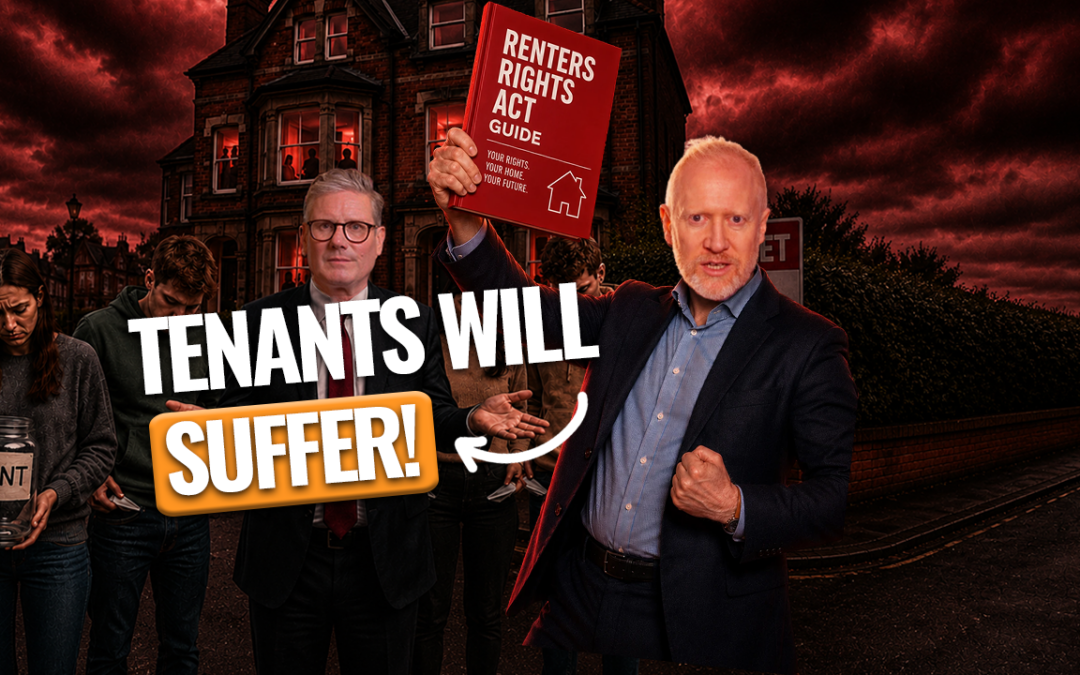
Why Rent Caps Don't Work in the UK Rental Market
TL;DR: Rent caps may sound like a fair way to help tenants, but rent control often creates the opposite result. When landlords cannot increase rents in line with costs or the local market, many sell up or stop investing. This reduces the supply of rental homes, creates a housing shortage and puts even more pressure on the UK rental market. Scotland has already shown how rent caps can backfire. Here is why capping rents is not the answer and what would actually help tenants.
Table of Contents
- What Are Rent Caps and How Does Rent Control UK Work?
- What Scotland Shows Us About Rent Caps
- The Renters' Rights Act and the UK Rental Market
- Why Most Landlords Do Not Increase Rents Every Year
- How Rent Caps Create a Housing Shortage
- Why Landlords Need to Make a Profit
- Why Rent Control UK Can Put Pressure on Councils
- Could HMOs Help With the Housing Supply Crisis?
- How to Improve the UK Rental Market Without Rent Caps
- Frequently Asked Questions
Rent caps are often presented as a simple solution to rising rents. If tenants are struggling, it can feel logical to say landlords should not be allowed to charge more than a certain amount. But the UK rental market does not work in isolation. Landlords have mortgages, tax bills, maintenance costs, licensing costs and legal obligations. When rental price controls ignore those costs, landlords leave the private rented sector and the shortage of rental homes gets worse.
In this episode of the Property Magic Podcast, Simon Zutshi explains why rent caps do not work, why Scotland's rent control policy had unintended consequences, and why capping rents could make the UK housing shortage even more severe.
What Are Rent Caps and How Does Rent Control UK Work?
Rent caps are a form of rent control. They limit how much landlords can charge or how much they can increase rent during a tenancy. Supporters of capping rents usually argue that rent caps protect tenants from sudden rent rises and make housing more affordable.
Why Rental Price Controls Sound Appealing
On the surface, rent control sounds fair. If rents are rising and wages are not keeping up, rental price controls appear to give tenants breathing space. The problem is that rent caps only look at the price tenants pay. They do not deal with the deeper issue, which is the lack of housing supply.
If landlords cannot make a fair return, many stop renting property altogether. Some sell. Others choose not to buy more property. Developers and investors may also become less willing to provide new rental accommodation. Over time, the UK rental market ends up with fewer homes available for tenants.
Key takeaway: Rent caps may seem helpful in the short term, but rent control does not solve the real issue, which is a lack of housing supply.
What Scotland Shows Us About Rent Caps
Scotland gives us a useful warning about rent caps. When rent control was introduced, the intention was to protect tenants from rising rents. For existing tenants, the policy may have looked helpful at first because landlords were restricted in how much they could increase rents.
The Unintended Consequence of Capping Rents
The problem came when landlords had empty properties to re-let. Because they knew future rent increases might be restricted, many increased rents sharply before taking on new tenants. Others decided the rules made renting too risky or unprofitable and sold their properties.
The result was a reduction in rental supply. Fewer homes were available, tenants had less choice, and market rents increased. This is why rent caps can backfire. They may protect some existing tenants for a short period, but they can make it harder for new tenants to find somewhere affordable to live.
Key takeaway: Scotland showed that rent caps can reduce rental supply, push up new tenancy rents and create more pressure in the UK rental market.
The Renters' Rights Act and the UK Rental Market
The UK rental market is already facing major reform. Under the Renters' Rights Act 2025, landlords in England can only increase rent once per year using the correct legal notice process. Tenants can also challenge rent increases they believe are above the market rent.
There Is Already a Form of Rent Control UK in Place
This means there is already a form of rent control UK landlords must work within. Rent increases are no longer something landlords can apply whenever they like. They are limited, structured and tied to market rent.
The concern is that adding stronger rent caps on top of this could make the private rented sector even less attractive. If landlords feel they are being restricted too heavily while costs continue to rise, more may decide to sell.
Key takeaway: The UK rental market already has restrictions on rent increases. Further rent caps could add pressure to landlords and reduce rental supply.
Learn Property Investing From Experienced Investors
Understanding how the rental market works is essential for anyone considering property investment. Attend a local property investors network meeting and learn from investors actively operating in today's market.
Why Most Landlords Do Not Increase Rents Every Year
One of the assumptions behind rent caps is that landlords automatically increase rents whenever they can. In reality, many landlords do not increase rents every year, especially when they have good tenants.
Good Tenants Are Valuable
A reliable tenant who pays on time and looks after the property is valuable to a landlord. If a landlord increases the rent too aggressively, the tenant may leave. The landlord then faces void periods, advertising costs, referencing costs, potential repairs, cleaning and the risk of finding a less reliable tenant.
This is why many landlords keep rents below the full market rate for good tenants. They would rather have stability than chase every possible pound of rent.
Why Rents Have Increased Recently
In recent years, many landlords have had to increase rents because their own costs have increased. Higher mortgage interest rates have meant some landlords pay more each month in mortgage costs than they receive in rent. After years of keeping rents low, many landlords have had to bring rents back in line with the market.
Key takeaway: Most landlords do not increase rent every year for the sake of it. Many only increase rents when rising costs make it necessary.
How Rent Caps Create a Housing Shortage
The biggest problem with rent caps is that they can create a housing shortage. If landlords cannot cover their costs or make a reasonable return, they are more likely to leave the market. When landlords sell, the number of rental homes available falls.
Supply and Demand Still Apply
The UK rental market is driven by supply and demand. If demand stays high but rental supply falls, tenants compete for fewer homes. Even if rent caps restrict some increases, the lack of housing supply still creates pressure. New tenants may find it harder to secure accommodation at all.
This is one of the major unintended consequences of rent control. A policy designed to help tenants can end up reducing choice, lowering supply and worsening the housing supply crisis.
Key takeaway: Rent caps can create a housing shortage by pushing landlords out of the market and reducing the number of homes available to rent.
Why Landlords Need to Make a Profit
Some people argue that landlords should not make a profit from rental property. Emotionally, that argument may appeal to tenants who are struggling with rising rents. But in practice, profit is what makes any business viable.
Property Is Still a Business
Landlords take on risk. They buy property, arrange finance, pay for maintenance, meet legal obligations, cover insurance, manage tenants and deal with void periods. If there is no profit, there is little reason for private landlords to provide rental accommodation.
Businesses and individuals who make profit also pay tax. That tax helps fund public services. If fewer landlords operate in the private rented sector, there may be less tax paid and more pressure on councils to house people who cannot find private accommodation.
Key takeaway: Profit is not the enemy. Without profit, fewer landlords provide homes, which makes the shortage of rental homes worse.
Why Rent Control UK Can Put Pressure on Councils
If rent control UK policies push landlords out of the market, the pressure does not disappear. It moves elsewhere. Tenants who cannot find private rented accommodation may turn to local councils for help.
Emergency Housing Costs More
Councils already face huge pressure to provide housing. If there is a lack of housing supply in the private rented sector, councils may need to spend more on emergency accommodation. That can be expensive and is ultimately funded by taxpayers.
So while rent caps may sound like they protect tenants, the long-term result could be more homelessness, more emergency housing and higher costs for local authorities.
Key takeaway: Rent caps can shift the housing problem onto councils, increasing the cost of emergency accommodation and putting more pressure on taxpayers.
Could HMOs Help With the Housing Supply Crisis?
HMOs, or houses in multiple occupation, can provide a more affordable option for some tenants. They do not suit everyone, but they can be a practical solution for people who want to reduce their monthly living costs.
Shared Housing Can Reduce Costs
Instead of renting an entire flat and paying all the bills alone, tenants in an HMO rent a room and share facilities. In many cases, bills are included. This can make shared housing far more cost-effective, especially in expensive areas.
In a difficult economy, many people are cutting back. Some are living with family for longer. Others are choosing shared accommodation. While this is not the perfect answer for everyone, it can help reduce pressure in the UK lettings market and provide more affordable housing options.
Key takeaway: HMOs are not suitable for everyone, but they can help ease the housing supply crisis by offering more affordable rental options.
How to Improve the UK Rental Market Without Rent Caps
The real solution is not capping rents. The real solution is increasing housing supply. If there are more homes available, tenants have more choice and landlords have to compete. That is what helps keep rents under control naturally.
More Homes, Not More Restrictions
To improve the UK rental market, the focus should be on encouraging responsible landlords, supporting good quality rental accommodation, speeding up planning and making it easier to provide homes people can afford.
More regulation, more rental price restrictions and heavier rent caps may win headlines, but they do not create more homes. In fact, they risk doing the opposite by pushing landlords away from the market.
If you want to invest properly and understand how the private rented sector really works, it is important to learn from people with practical experience. You can meet experienced investors, landlords and property professionals at a local property investors network meeting held across the UK every month.
Key takeaway: The UK rental market needs more housing supply, better financial education and responsible investment, not rent caps that reduce the number of rental homes.
Find Your Local property investors network Meeting
property investors network runs meetings every month across the UK. Meet experienced investors, landlords and property professionals who understand the real numbers behind the rental market. Use the voucher code podcast to attend your very first meeting completely free.
Or explore a pin membership to access ongoing education, a community of investors and expert resources to help you build and protect your portfolio.
Frequently Asked Questions
Do Rent Caps Work?
Rent caps may help some existing tenants in the short term, but they often reduce rental supply over time. When landlords sell or stop investing, there are fewer homes available, which can create a housing shortage and increase pressure on the UK rental market.
Why Does Rent Control UK Often Backfire?
Rent control UK policies can backfire because they restrict income while landlord costs continue to rise. If the figures no longer work, landlords may leave the private rented sector, reducing supply and making it harder for tenants to find accommodation.
What Happened When Scotland Introduced Rent Caps?
When Scotland introduced rent caps, existing tenants received some short-term protection. However, many landlords increased rents on new tenancies or sold their properties. This reduced rental supply and contributed to higher pressure in the rental property market.
Why Do Landlords Need to Make a Profit?
Landlords need to make a profit because providing rental property involves risk, finance, maintenance, regulation and tax. If there is no reasonable return, fewer people will provide rental homes, which can make the shortage of rental homes worse.
What Is the Best Solution to Rising Rents?
The best long-term solution is increasing housing supply. More homes create more choice for tenants and more competition between landlords. Building more homes and supporting responsible landlords is more sustainable than relying on rent caps.
Can HMOs Help With the Housing Supply Crisis?
HMOs can help some tenants access more affordable accommodation by renting a room rather than an entire property. They are not right for everyone, but they can provide a practical option in areas where rents are high and housing supply is limited.
Final Thoughts: Why Rent Caps Are Not the Answer
Rent caps sound simple, but housing is not simple. If rental price controls make it harder for landlords to cover their costs or make a fair return, many will leave the market. That reduces rental supply, creates a housing shortage and makes life harder for tenants trying to find a home.
The UK rental market needs more homes, not fewer landlords. It needs better housing supply, better financial education and policies that encourage responsible investment. Rent control may feel like a quick fix, but the unintended consequences can be serious.
Read Property Magic by Simon Zutshi to understand the fundamentals of smart property investing. And find your local property investors network meeting to connect with experienced investors who understand the real numbers behind property.
Listen to the full discussion on the Property Magic Podcast. Subscribe to the channel and hit the bell icon so you never miss a new episode.